

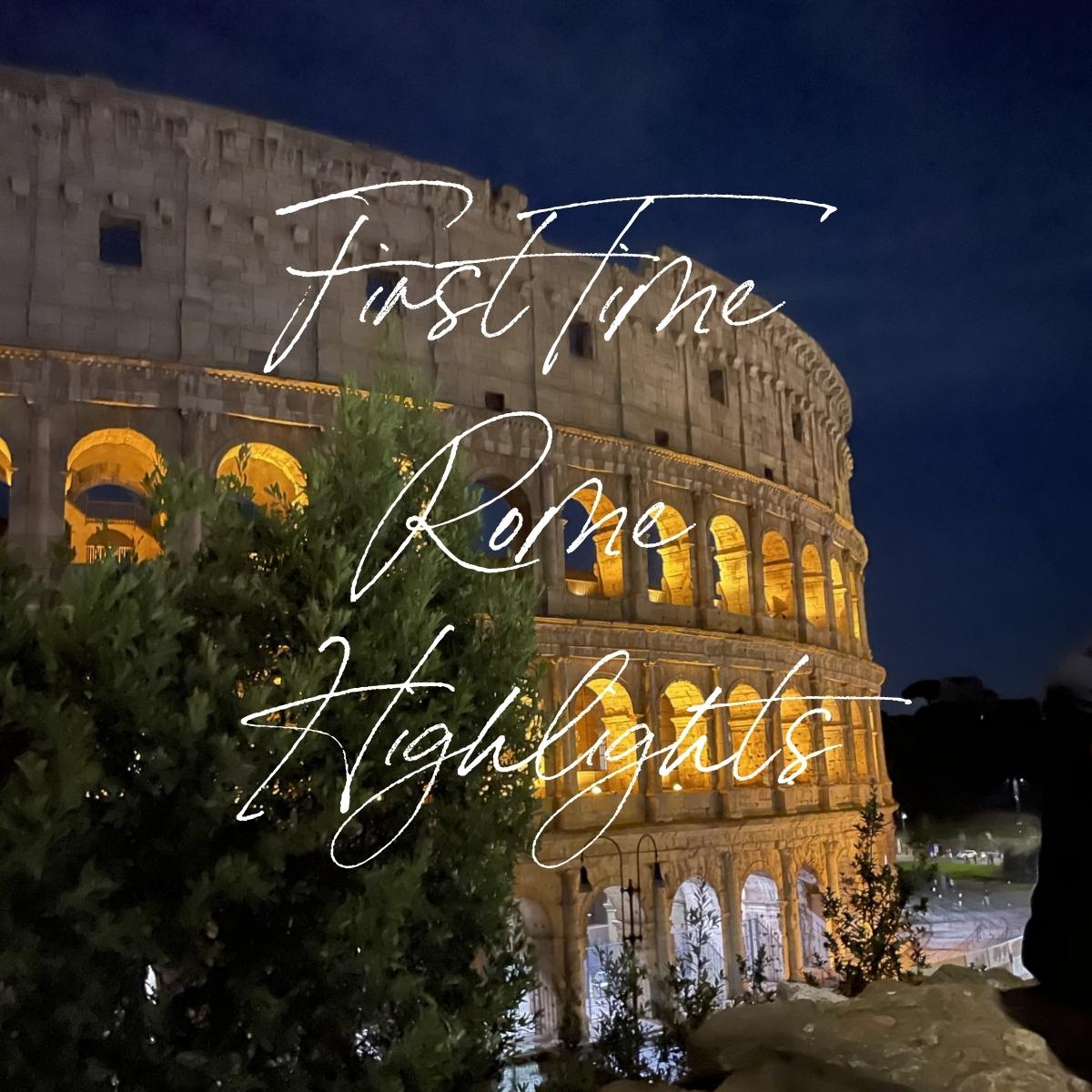
Rome Highlights for First-Time Visitors
Opinions, reviews, analyses & recommendations are the author’s alone, and have not been reviewed, endorsed or approved by any of these entities. This post may contain affiliate links, meaning I get a commission if you decide to make a purchase through my links, at no cost to you. As an Amazon Associate I earn from qualifying purchases.
If you’re planning your very first trip to Rome, congratulations—you’re about to step into one of the most incredible cities in the world. Known as the Eternal City, Rome is a living museum where ancient ruins stand alongside vibrant piazzas, and centuries of history meet modern Italian culture. With so much to see and do, planning a Rome itinerary can feel overwhelming.
This guide to Rome highlights for first-time visitors covers the top attractions, tips for navigating the city, advice on buying tickets in advance, safety essentials, and a breakdown of the best neighborhoods to stay and explore.
Whether you have three days in Rome or a full week, this post will help you make the most of your time in Italy’s capital.
Discover how we spent our three week honeymoon.
Top Attractions in Rome for First-Time Visitors
Rome is packed with must-see landmarks, but for first-time visitors, these highlights are the perfect starting point:
1. The Colosseum
No visit to Rome is complete without stepping inside the Colosseum, the city’s most iconic monument. Built nearly 2,000 years ago, this ancient amphitheater once hosted gladiator battles, animal hunts, and massive public spectacles.
- Tip: Book a skip-the-line ticket or guided tour in advance to avoid long waits. Many tours also include the Roman Forum and Palatine Hill, both located right next to the Colosseum.
- Best Time to Visit: Early morning or late afternoon when crowds are smaller.
2. The Roman Forum and Palatine Hill
Right beside the Colosseum, the Roman Forum was once the political and social hub of ancient Rome. Today, you can wander through ruins of temples, basilicas, and arches. Climb Palatine Hill for sweeping views over the Forum and Colosseum.
- Tip: Wear comfortable shoes; the terrain is uneven and requires lots of walking.
3. Vatican City: St. Peter’s Basilica, The Vatican Museums & The Sistine Chapel
Technically its own country, Vatican City is home to two of the world’s greatest attractions:
- St. Peter’s Basilica: The largest church in the world, filled with masterpieces like Michelangelo’s Pietà. Climb to the top of the dome for panoramic views of Rome.
- Vatican Museums & Sistine Chapel: An enormous collection of art, with the Sistine Chapel ceiling as the grand finale.
- Tip: Tickets for the Vatican Museums sell out quickly, so buy online weeks in advance. Consider a guided early-entry tour to see the Sistine Chapel without the crush of crowds.
4. Trevi Fountain
Tossing a coin into the Trevi Fountain is one of Rome’s most famous traditions. Legend says throwing one coin ensures you’ll return to Rome, two coins mean you’ll fall in love, and three coins promise marriage.
- Best Time to Visit: Early morning or late at night to avoid the biggest crowds.
5. The Pantheon
The Pantheon is one of the best-preserved monuments from ancient Rome. Its massive dome with a central oculus is a marvel of engineering that still inspires architects today.
- Tip: Entrance is free, making it one of the best-value highlights in Rome.
6. Piazza Navona
This lively square is lined with baroque architecture, fountains, cafes, and street performers. The Fountain of the Four Rivers by Bernini is the centerpiece. It’s the perfect spot to grab a gelato and soak in the atmosphere.
7. Spanish Steps
A favorite gathering place for tourists and locals, the Spanish Steps connect Piazza di Spagna with the Trinità dei Monti church. The steps are especially beautiful in spring when they’re decorated with flowers.
- Tip: Eating or drinking on the steps is prohibited, and police do enforce this rule.
8. Trastevere
For a taste of local Rome, head across the Tiber River to Trastevere. This neighborhood is filled with cobblestone streets, colorful buildings, and some of the city’s best trattorias. Don’t miss Santa Maria in Trastevere, one of the oldest churches in Rome.
9. Campo de’ Fiori
A bustling square by day and lively nightlife hub by evening, Campo de’ Fiori is home to a daily market where you can shop for fresh produce, spices, and souvenirs.
10. Castel Sant’Angelo
Originally built as a mausoleum for Emperor Hadrian, this castle has served as a fortress, papal residence, and prison. Today, it’s a museum with rooftop views of the Vatican and the Tiber River.
Tips for Navigating Rome
Rome is large, busy, and at times chaotic. Here are some practical tips to make exploring easier:
- Walking: Many attractions are close together, especially in the historic center. Comfortable shoes are essential since you’ll be walking on cobblestones.
- Public Transport: Rome has buses, trams, and a small metro system. Tickets must be purchased in advance at kiosks, newsstands, or metro stations and validated before boarding.
- Taxis & Rideshares: Official white taxis can be hailed at taxi stands or booked via apps like Free Now. Uber exists in Rome, but it’s limited and more expensive than taxis.
- Hop-On Hop-Off Bus: Great for first-time visitors who want an overview of the city before diving into walking tours.
Buying Tickets in Advance
Rome’s top attractions draw millions of visitors each year. To save time and avoid disappointment:
- Colosseum & Roman Forum: Buy skip-the-line tickets online. Guided tours often allow access to special areas like the underground arena.
- Vatican Museums & Sistine Chapel: Book at least a couple of weeks in advance, especially in high season.
- St. Peter’s Basilica Dome: Entry to the basilica is free, but the dome climb requires a small fee. Tickets are purchased on-site.
- Borghese Gallery: Reservations are required and limited to two-hour time slots. Book early.
For first time visitors we recommend the Go City Pass.
Safety Tips for Rome
Like any major city, Rome is generally safe but has a few things to keep in mind:
- Pickpockets: Be especially cautious in crowded areas like the metro, buses, and tourist sites. Use a crossbody bag or money belt.
- Scams: Watch out for people trying to “help” with ticket machines or offering unsolicited tours.
- Traffic: Roman drivers are fast and fearless. Always use crosswalks, but still keep your eyes open when crossing the street.
- Water Fountains: Rome has thousands of public fountains with safe drinking water. Carry a refillable bottle to save money.
Best Neighborhoods in Rome for First-Time Visitors
Choosing the right area to stay can make your trip even smoother. Here are some great options:
Centro Storico (Historic Center)
- Why Stay Here: Close to the Pantheon, Trevi Fountain, and Piazza Navona. Perfect for first-time visitors who want to walk everywhere.
- Vibe: Lively, touristy, and full of restaurants.
Trastevere
- Why Stay Here: A charming, bohemian neighborhood with narrow streets, great nightlife, and a more local feel.
- Vibe: Romantic, artsy, and buzzing with authentic trattorias.
Monti
- Why Stay Here: A trendy area close to the Colosseum, known for boutique shops and hip cafes.
- Vibe: Stylish, central, yet quieter than the historic center.
Prati
- Why Stay Here: Right next to the Vatican, with elegant boulevards and less tourist crowds.
- Vibe: Residential and upscale, perfect if you want a calmer atmosphere.
Termini Area
- Why Stay Here: Budget-friendly and convenient for transport, as Termini is Rome’s main train station.
- Vibe: Practical, though less charming than other neighborhoods.
Final Thoughts: Making the Most of Your First Trip to Rome
Rome is a city that overwhelms—in the best way possible. Between the ancient ruins, Renaissance art, bustling piazzas, and mouthwatering food, it’s impossible to see everything in one visit. That’s why prioritizing the highlights and planning ahead is essential.
For first-time visitors, focus on the Colosseum, Vatican City, Trevi Fountain, Pantheon, and the lively neighborhoods. Buy tickets for major attractions in advance, wear comfortable shoes, and give yourself time to simply wander. Rome isn’t just about checking sights off a list—it’s about soaking in the atmosphere of a city that has been captivating travelers for centuries.
If you toss that coin into the Trevi Fountain, chances are you’ll be back.

Agnes
Rome truly never disappoints, especially on a first visit. I love how clearly you laid out the highlights — this is exactly the kind of guide that helps first-timers feel less overwhelmed. The tips about booking Vatican tickets early and visiting Trevi Fountain at off-peak hours are spot on. And yes to comfortable shoes — those cobblestones are no joke! This is a fantastic starting point for anyone planning their first trip to the Eternal City
Dee DeNetto
This took me back to my first time going to Rome, you have very informative details on how to help with anyones time going to Rome. Also, thanks for the stay tips as this is easier to plan what is the best place to stay depending on attractions.