
What to Pack for the Ultimate Alaskan Winter Adventure
Opinions, reviews, analyses & recommendations are the author’s alone, and have not been reviewed, endorsed or approved by any of these entities. This post may contain affiliate links, meaning I get a commission if you decide to make a purchase through my links, at no cost to you. As an Amazon Associate I earn from qualifying purchases.
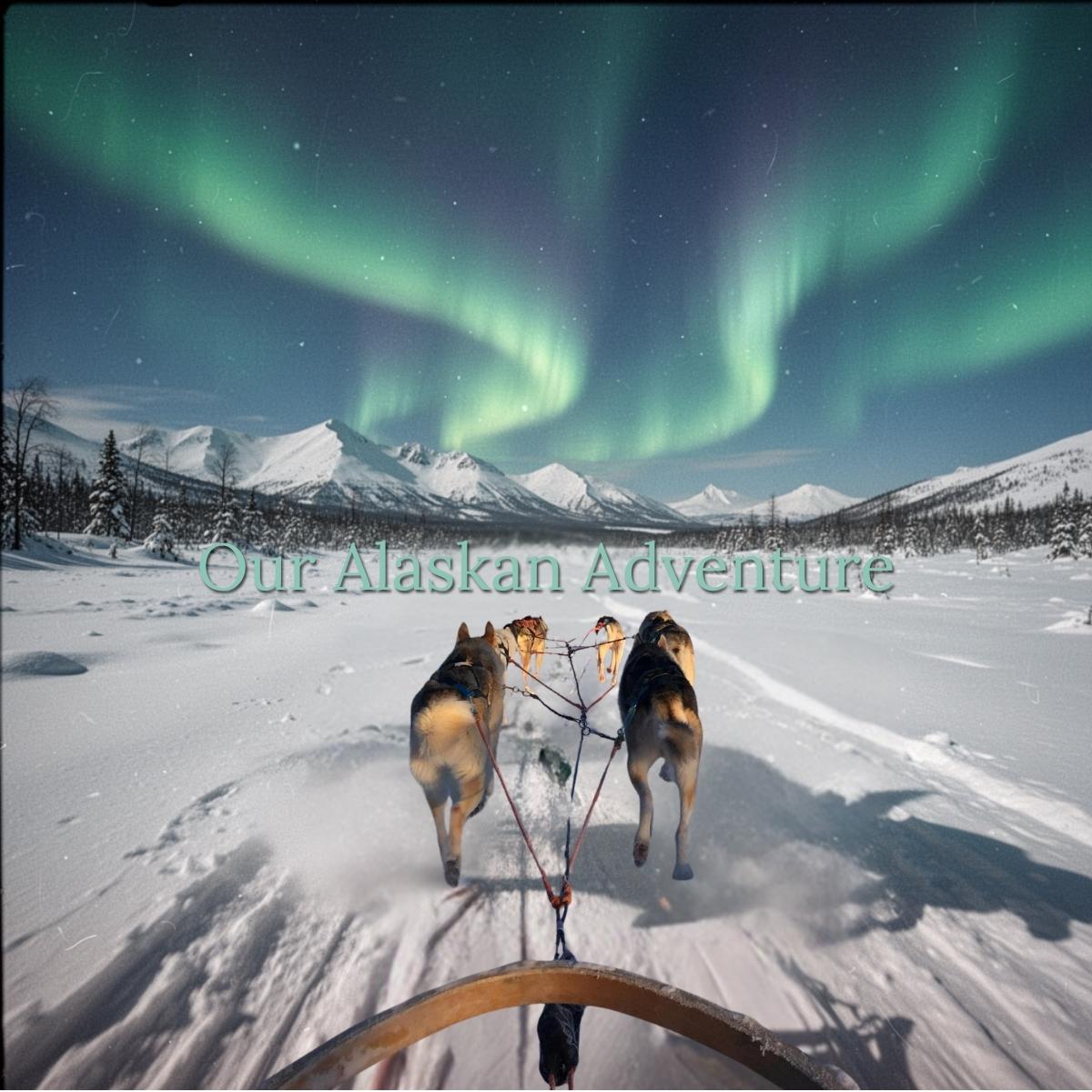
If you’re planning a winter trip to Alaska, get ready for an unforgettable adventure. Snow-covered mountains, frozen rivers, glowing ice sculptures, and the magical Northern Lights make Alaska one of the most breathtaking winter destinations in the world.
But Alaska in winter is not like winter in most places.
Temperatures can drop to -20°F or colder, especially in interior regions like Fairbanks, where many travelers go to see the Aurora Borealis. Wind, snow, and icy conditions make proper clothing and gear essential.
The good news? With the right packing list, you’ll stay warm, comfortable, and ready for every adventure — from dog sledding to Northern Lights viewing.
This complete guide will walk you through exactly what to pack for Alaska in winter, including clothing layers, gear, accessories, and travel essentials.
Why Packing Correctly for Alaska Winter Is So Important
Alaska winters are serious business.
Depending on where you travel, temperatures typically range from:
- 0°F to 20°F in coastal areas like Anchorage
- -10°F to -30°F in interior regions like Fairbanks
Cold like this isn’t just uncomfortable — it can be dangerous if you’re not dressed properly.
The key to staying warm is layering.
Instead of one giant coat, you’ll wear multiple layers that trap heat and allow flexibility as temperatures change.
The three main layers are:
- Base Layer (moisture-wicking)
- Insulation Layer (heat retention)
- Outer Layer (windproof & waterproof)
Let’s break down exactly what you’ll need.
Base Layers: Your First Line of Defense Against the Cold
Base layers sit directly against your skin and are responsible for keeping moisture away from your body. Sweat trapped against skin can make you cold very quickly in freezing temperatures.
What to Pack
- 2–3 thermal long-sleeve tops
- 2–3 thermal leggings or long underwear
- Wool or synthetic fabric (avoid cotton)
Merino wool is one of the best materials because it:
- Regulates body temperature
- Wicks moisture
- Resists odor
- Stays warm even when damp
These layers are the foundation of your winter outfit.
Mid Layers: Insulation to Trap Body Heat
Your mid layer provides the insulation that keeps you warm in extreme temperatures.
Think of this layer as your heat trap.
Recommended Mid Layers
- Fleece jacket
- Down jacket
- Wool sweater
- Insulated vest
Most travelers bring two mid layers for flexibility. For example:
- Fleece jacket for moderate cold
- Down jacket for extremely cold days
This combination works great when temperatures fluctuate.
Outer Layer: Protecting You From Wind and Snow
Your outer layer is what protects you from the elements.
A good winter shell should be:
- Waterproof
- Windproof
- Insulated
- Long enough to cover your hips
Look for parkas designed for Arctic or expedition conditions.
Features to Look For
- Insulated hood
- Windproof shell
- Adjustable cuffs
- Snow skirt
- Waterproof fabric
A high-quality winter coat will make the biggest difference in your comfort level during your trip.
Winter Pants: Don’t Forget Your Legs
Many travelers forget that legs also need insulation.
Jeans alone will not keep you warm in Alaska winter conditions.
Instead, wear:
Best Options
- Insulated snow pants
- Waterproof ski pants
- Fleece-lined leggings
- Thermal leggings under snow pants
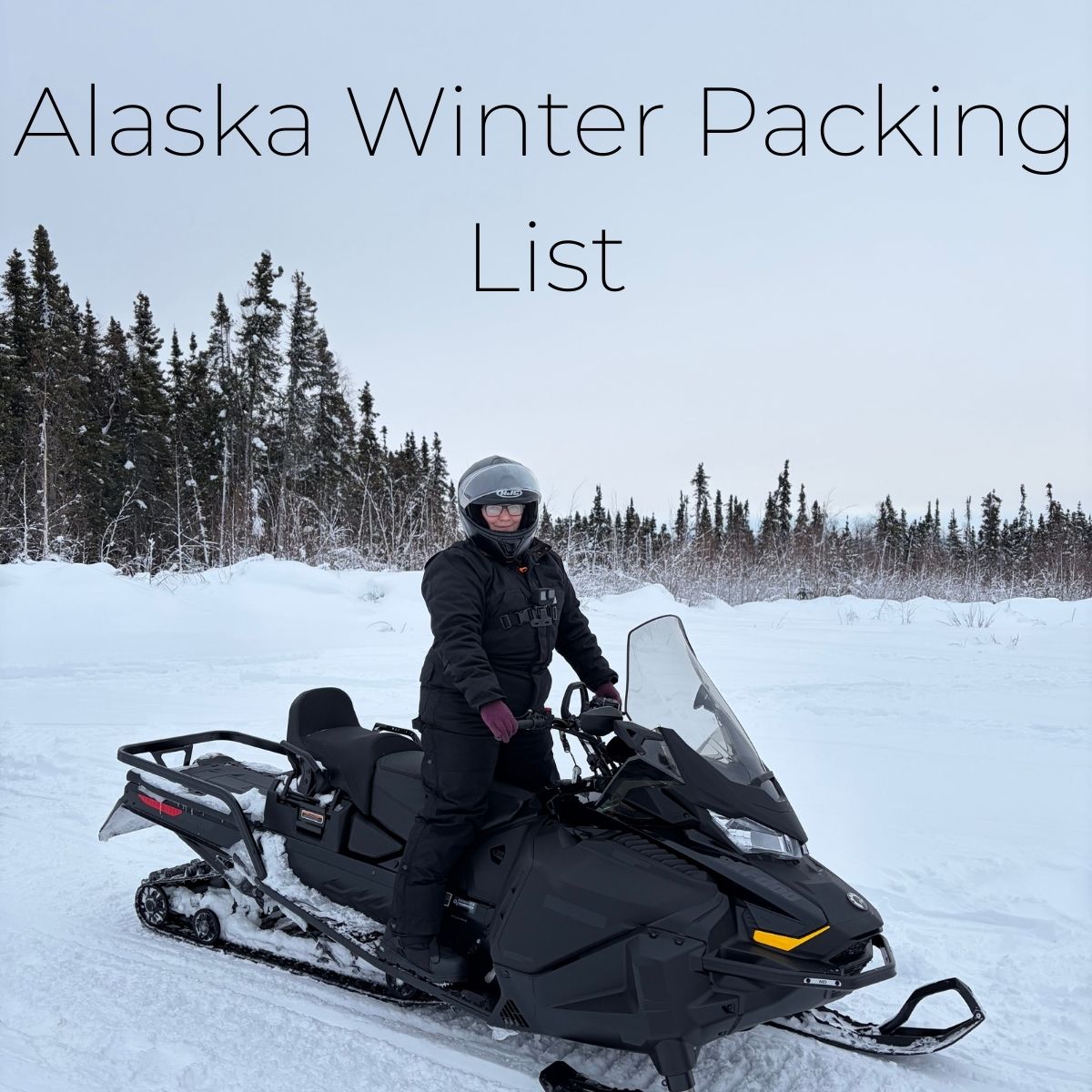
If you’re planning outdoor activities like dog sledding or snowmobiling, snow pants are essential.
Winter Boots: The Most Important Item You’ll Pack
Cold feet can ruin your entire trip.
Invest in high-quality insulated winter boots rated for sub-zero temperatures.
What to Look For
- Temperature rating of -20°F or colder
- Waterproof exterior
- Thick insulated lining
- Good traction for ice
- Room for thick socks
Popular brands include Sorel, Baffin, and Columbia.
Make sure your boots have room for wool socks without being tight.
Socks: Bring More Than You Think
Warm socks are essential in Alaska.
Pack:
- 4–6 pairs of thick wool socks
- 1–2 extra pairs for outdoor activities
Merino wool socks are ideal because they:
- Retain heat
- Prevent moisture buildup
- Reduce odor
Avoid cotton socks because they trap moisture and make your feet colder.
Essential Winter Accessories
Accessories make a massive difference in staying warm.
Small areas like your face, ears, and hands lose heat quickly.
Must-Have Winter Accessories
Warm Hat
A fleece or wool beanie that covers your ears.
Neck Gaiter or Scarf
Protects your neck and face from wind.
Gloves or Mittens
Mittens are often warmer than gloves.
Glove Liners
Perfect for photography or using your phone.
Balaclava
A face mask that protects your skin during extreme cold.
These items are especially important if you plan to watch the Aurora Borealis late at night.
Gear for Northern Lights Viewing
One of the main reasons travelers visit Alaska in winter is to see the Aurora Borealis.
But Northern Lights viewing usually happens late at night when temperatures are the coldest.
Bring:
- Extra insulated jacket
- Hand warmers
- Toe warmers
- Tripod for photography
- Thermos with hot drinks
- Blanket for sitting outside
Standing outside for hours waiting for the lights requires serious warmth.
Packing for Winter Activities
Alaska offers incredible winter adventures.
Depending on your itinerary, you may want gear for activities like:
- Dog sledding
- Snowmobiling
- Ice fishing
- Snowshoeing
- Northern Lights photography
Many tour operators provide additional gear like insulated suits or boots, but you should always bring your own base layers and accessories.
If you’re planning activities around Fairbanks, expect colder temperatures than coastal areas.
Electronics & Cold Weather Tech Tips
Cold weather drains batteries extremely quickly.
Bring:
- Extra phone batteries
- Portable power bank
- Spare camera batteries
- Insulated battery pouch
Keep electronics in inside pockets close to your body to maintain battery life.
For photographers hoping to capture the Aurora Borealis, spare batteries are essential.
Toiletries for Cold Weather Travel
Cold air can be extremely drying.
Pack:
- Heavy moisturizer
- Lip balm
- Hand cream
- Sunscreen
- Hydrating face mask
Yes, sunscreen matters — snow reflects sunlight and can cause sunburn even in winter.
Travel Essentials for Alaska
Don’t forget these travel basics:
- Passport or ID
- Travel insurance
- Credit cards
- Printed reservations
- Emergency contacts
Winter weather can occasionally disrupt flights or tours, so travel insurance provides peace of mind.
Optional but Helpful Items
These items aren’t essential but can improve your experience.
Nice-to-Have Extras
- Reusable hand warmers
- Insulated water bottle
- Hot drink thermos
- Microspikes for icy sidewalks
- Backpack for day trips
- Eye mask for sleeping (long winter nights)
These small additions can make winter adventures far more comfortable.
What NOT to Pack for Alaska in Winter
Some common items travelers bring that don’t work well:
Cotton clothing
Cotton traps moisture and makes you colder.
Fashion boots
They’re rarely insulated enough for extreme cold.
Thin gloves
You’ll want insulated gloves or mittens.
Tight boots
Constricting circulation makes your feet colder.
Stick to warm, functional gear instead.
Sample Alaska Winter Packing List
Here’s a quick checklist you can screenshot before your trip.
Clothing
- 3 thermal base layer tops
- 3 thermal leggings
- 2 fleece jackets
- 1 down jacket
- 1 heavy winter parka
- 2 pairs insulated pants or snow pants
- 1 pair waterproof boots
Accessories
- Warm hat
- Gloves or mittens
- Glove liners
- Neck gaiter
- Balaclava
Essentials
- Wool socks (5 pairs)
- Hand warmers
- Sunglasses
- Moisturizer
- Lip balm
Tech
- Power bank
- Spare camera batteries
- Phone charger
Final Thoughts: Packing for an Amazing Alaska Winter Adventure
Alaska in winter is one of the most magical travel experiences you can have.
From dog sledding across snowy landscapes to watching the Aurora Borealis dance across the sky above Fairbanks, it’s truly unforgettable.
But the secret to enjoying it fully is simple:
Dress properly.
By packing warm layers, insulated gear, and the right accessories, you’ll stay comfortable no matter how cold the temperature drops.
Once you’re bundled up and ready, you can focus on what really matters — exploring Alaska’s winter wonderland.