
Points Strategy for Couples: How to Earn Separately, Book Together, and Master 2-Player Mode
Opinions, reviews, analyses & recommendations are the author’s alone, and have not been reviewed, endorsed or approved by any of these entities. This post may contain affiliate links, meaning I get a commission if you decide to make a purchase through my links, at no cost to you. As an Amazon Associate I earn from qualifying purchases.
Travel hacking is powerful on its own—but when you do it as a couple, it can completely change how (and how often) you travel. Two incomes. Two credit reports. Two sets of welcome bonuses. Referral bonuses. One shared goal: traveling more for less.
This is where 2-player mode comes in.
In this guide, I’ll break down the best points strategy for couples, including how to earn points separately, combine or pool them legally, and book trips together without breaking any rules (or your relationship). Whether you’re married, engaged, long-term partners, family or friends, this step-by-step strategy will help you maximize rewards and unlock trips that feel completely out of reach on cash alone.
If you’ve ever wondered:
- Can we both get the same credit card?
- How do we combine points if accounts are separate?
- Who should apply first?
- Is 2-player mode actually worth it?
You’re in the right place.
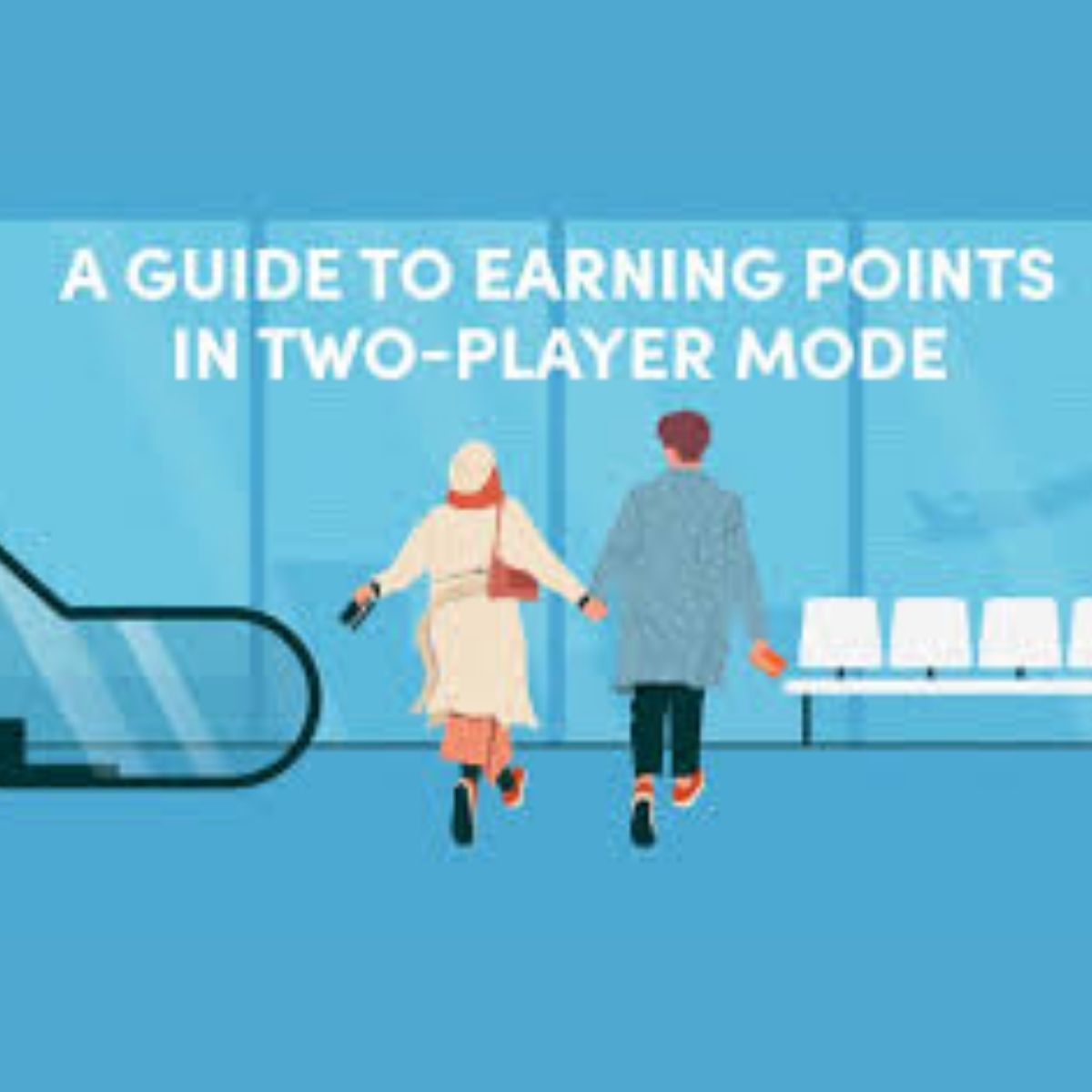
What Is 2-Player Mode in Travel Hacking?
2-player mode simply means that both partners earn points and miles independently using their own credit cards—but then strategically combine or redeem those points together for shared trips.
Instead of one person earning:
- 60,000 points per year
You now earn:
- 60,000 points each
- Plus referral bonuses
- Plus authorized user bonuses
- Plus shared travel redemptions
That’s how couples fly business class, stay in luxury hotels, and book bucket-list trips for a fraction of the cost.
Why Couples Have a Massive Advantage with Points
When done correctly, couples can:
- Earn 2x the welcome bonuses
- Refer each other for extra points
- Split spending to hit minimums faster
- Use points more flexibly across airlines and hotels
- Book premium travel that’s hard for solo travelers to afford
For example:
- One welcome bonus might cover one roundtrip flight
- Two welcome bonuses might cover both flights plus hotels
That’s the magic.
The Golden Rule: Earn Separately, Plan Together
One of the biggest beginner mistakes couples make is trying to “merge everything” too early.
Instead, the winning formula is:
Separate earning + coordinated redemptions
Each person:
- Applies for cards in their own name
- Earns their own welcome bonuses
- Keeps their own loyalty accounts
Then you:
- Strategically pool or transfer points only when needed
- Book shared trips together
This keeps everything clean, flexible, and rule-compliant.
Step 1: Each Partner Needs Their Own Loyalty Accounts
Before applying for any cards, make sure both partners have their own accounts with:
Airlines
- United MileagePlus
- American AAdvantage
- Delta SkyMiles
- Southwest Rapid Rewards
Hotels
- Marriott Bonvoy
- Hilton Honors
- World of Hyatt
Flexible Points Programs
- Chase Ultimate Rewards
- American Express Membership Rewards
- Capital One Miles
These accounts are always free and should be created before you start earning points.
Step 2: Both Partners Can (and Should) Get the Same Cards
Yes—you can both get the same credit card.
This is one of the biggest advantages of 2-player mode.
For example:
- Partner A gets the Chase Sapphire Preferred® (60,000 points)
- Partner B gets the same card using Partner A’s referral link (another 60,000 points) and Partner A gets a referral bonus (15,000).
Now you have 135,000 Chase points—enough for:
- Two roundtrip flights to Europe
- Or multiple domestic trips
- Or a week of hotels through Hyatt
Credit card issuers evaluate applications per person, not per household.
Step 3: Stagger Applications for Maximum Value
Timing matters.
A smart couples strategy looks like this:
- Partner A applies for Card #1
- Partner A meets the minimum spend
- Partner B applies for the same card using Partner A’s referral link
- Partner A earns a referral bonus
- Partner B earns the welcome bonus
You’ve now earned:
- Two welcome bonuses
- One referral bonus
- All from the same card
This strategy works extremely well with:
- Chase Sapphire cards
- Amex Green, Gold, and Platinum
- Many hotel cards
Step 4: Use Authorized Users Strategically (But Carefully)
Adding your partner as an authorized user (AU) can be helpful—but it’s not always necessary.
When Authorized Users Make Sense:
- To earn an AU bonus
- To help meet a minimum spend (we prefer adding cards to each others apple wallets)
- To share lounge access or perks
When They’re Not Needed:
- If both partners plan to apply separately
- If it could interfere with Chase’s 5/24 rule
- If you’re trying to keep credit profiles clean
Important note: Authorized users do not earn separate welcome bonuses. That’s why 2-player mode focuses on individual applications first.
Step 5: How Couples Combine Points (Legally)
This is where most people get confused—but it’s simpler than it sounds.
Chase Ultimate Rewards (Easiest for Couples)
Chase allows:
- Free point transfers between household members
You can combine all points into one account and book travel together.
This is one reason Chase is a favorite for beginners.
American Express Membership Rewards
Amex does not allow direct pooling.
Instead, couples:
- Transfer points to the same airline or hotel loyalty account
- Book flights or hotels from one account
For example:
- Partner A transfers points to Air France
- Partner B transfers points to the same Air France account
- One person books both tickets
Capital One Miles
Capital One allows:
- Free transfers to any other Capital One cardholder
This makes pooling easy for couples.
Hotel Programs That Allow Pooling
Hilton Honors
- Free point pooling
- Up to 10 people per pool
- Extremely easy for couples
Marriott Bonvoy
- Point transfers between members (with limits)
- Useful for topping off accounts
World of Hyatt
- Points can be transferred between members
- Requires a simple form
Step 6: Booking Travel Together with Separate Points
You don’t always need to combine points.
Some of the best redemptions happen when:
- Partner A books one flight
- Partner B books the other
- Or one covers flights while the other covers hotels
This adds flexibility and often makes award availability easier to find.
Real-World Example: How Couples Unlock Bigger Trips
Let’s say each partner earns:
- 60,000 Chase points
- 75,000 Amex points
- 100,000 Hilton points
Together, that could mean:
- Flights for two to Asia
- Luxury hotel stays
- Or multiple domestic trips per year
This is exactly how couples stretch travel budgets without increasing spending—just spending smarter.
Step 7: Track Points as a Team
Once you’re in 2-player mode, tracking becomes essential.
You should know:
- Who has which cards
- When annual fees hit
- Where points are stored
- When to apply next
This is why many couples use a shared points and miles tracker to stay organized and avoid missed opportunities.
Common 2-Player Mode Mistakes to Avoid
Applying for too many cards at once
Not tracking minimum spend deadlines
Assuming all points can be pooled
Missing referral bonuses
Adding authorized users too early
A little planning goes a long way.
Is 2-Player Mode Worth It for Couples?
Short answer: Absolutely.
If you already:
- Share expenses
- Travel together
- Have good to excellent credit
Then 2-player mode can easily save you thousands per year in travel costs.
It’s not about opening tons of cards—it’s about opening the right ones, in the right order, with a shared strategy.
Final Thoughts: Travel More, Together
The best part of points strategy for couples isn’t just the savings—it’s the experiences you unlock together.
More trips.
Better flights.
Nicer hotels.
Less stress.
And once you understand how to earn separately and book together, travel hacking becomes less overwhelming and far more powerful.
If you’re ready to take the next step, start by choosing one card, one player, and one goal—and build from there.