
How to Eat Cheap While Traveling: 25 Budget-Friendly Food Tips That Actually Work
Opinions, reviews, analyses & recommendations are the author’s alone, and have not been reviewed, endorsed or approved by any of these entities. This post may contain affiliate links, meaning I get a commission if you decide to make a purchase through my links, at no cost to you. As an Amazon Associate I earn from qualifying purchases.
Traveling doesn’t have to mean blowing your entire budget on food. Between airport snacks, overpriced tourist restaurants, and constant convenience purchases, meals can quickly become one of the biggest travel expenses. But with the right strategies, it’s completely possible to eat well, experience local cuisine, and still save money.
Whether you’re backpacking through Europe, visiting theme parks, road-tripping across the United States, or taking a luxury vacation on a budget, learning how to eat cheap while traveling can save you hundreds — sometimes thousands — of dollars per trip.
In this guide we’ll cover practical budget travel food tips, cheap meal ideas, grocery hacks, and smart strategies that help travelers spend less without sacrificing great experiences.
Why Food Costs Add Up So Fast While Traveling
Many travelers budget carefully for flights and hotels but underestimate food expenses. It’s easy to spend:
- $15 on airport breakfast
- $25 on lunch near tourist attractions
- $40+ on dinner and drinks
- Extra on snacks, coffee, bottled water, and delivery fees
That can easily total $80–$100 per person per day.
For a weeklong trip for two, food alone can cost over $1,000 if you’re not paying attention.
The good news? Food is also one of the easiest travel expenses to reduce.
1. Book Accommodations With a Kitchen or Free Breakfast
One of the best ways to save money on food while traveling is choosing accommodations strategically.
Hotels with free breakfast instantly eliminate one daily meal cost. Vacation rentals with kitchens let you prepare simple meals and snacks instead of eating out constantly.
Look for:
- Kitchenettes
- Refrigerators
- Microwaves
- Complimentary breakfast
- Grocery stores nearby
Even making just one meal per day yourself can dramatically cut costs.
Great accommodation options include:
- Vacation rentals
- Extended-stay hotels
- Hostels with shared kitchens
- Suites with kitchenettes
If you travel often, hotel brands with free breakfast can provide huge savings over time.
2. Grocery Stores Are Your Best Friend
One of the top budget travel tips is simple: shop where locals shop.
Instead of buying every meal at restaurants, stop at a grocery store shortly after arriving.
Cheap grocery staples for travelers include:
- Bread
- Peanut butter
- Deli meat
- Cheese
- Yogurt
- Fruit
- Protein bars
- Pasta cups
- Instant oatmeal
- Granola
- Water bottles
These items are especially helpful for:
- Breakfast
- Late-night snacks
- Road trips
- Airport travel days
- Theme park days
International grocery stores are also part of the travel experience. Exploring local supermarkets can actually be surprisingly fun and culturally interesting.
3. Eat Your Big Meal at Lunch Instead of Dinner
Many restaurants around the world offer cheaper lunch specials than dinner menus.
Lunch portions are often:
- Similar in size
- Lower priced
- Less crowded
- Faster service
In countries across Europe and Asia, lunch menus can cost half the dinner price.
A smart strategy:
- Eat a filling lunch
- Have lighter snacks or simple dinner later
This works especially well in expensive cities where dinner prices skyrocket.
4. Avoid Eating Near Major Tourist Attractions
Restaurants directly next to famous attractions almost always cost more.
Food near:
- Theme parks
- Landmarks
- Beaches
- City centers
- Cruise ports
- Airports
…usually comes with inflated tourist pricing.
Instead:
- Walk a few blocks away
- Search side streets
- Look for where locals eat
- Compare menus before sitting down
You’ll often find:
- Better food
- Larger portions
- Lower prices
- More authentic experiences
5. Bring Reusable Water Bottles
Buying bottled water constantly adds up quickly.
A reusable water bottle can save:
- $5–$15 per day
- Hundreds annually for frequent travelers
Many airports, hotels, and attractions now offer refill stations.
For international travel, consider:
- Filter bottles
- UV purification bottles
- Portable water filters
This is especially helpful in destinations where safe drinking water isn’t guaranteed.
6. Pack Snacks From Home
One of the easiest travel hacks is bringing snacks with you.
Good travel snacks include:
- Granola bars
- Crackers
- Pretzels
- Trail mix alternatives if you dislike nuts
- Popcorn
- Jerky
- Fruit snacks
- Protein bars
Snacks help prevent:
- Expensive impulse purchases
- Airport food spending
- Theme park snack splurges
- Late-night delivery orders
They’re also lifesavers during long travel days and delays.
7. Use Food Delivery Apps Strategically
Food delivery apps can actually save money if used correctly.
Look for:
- First-order discounts
- Pickup options
- Coupons
- Free delivery promotions
Sometimes ordering delivery to your hotel is cheaper than dining in tourist-heavy areas.
Popular apps vary by country, but common options include:
- Uber Eats
- DoorDash
- Grab
- Deliveroo
Just avoid excessive fees by choosing pickup when possible.
8. Take Advantage of Hotel Perks
Some hotels offer:
- Evening receptions
- Free snacks
- Happy hours
- Complimentary drinks
- Lounge access
Elite hotel status through travel credit cards can unlock:
- Free breakfast
- Club lounges
- Food credits
These perks can significantly reduce food costs, especially during expensive trips.
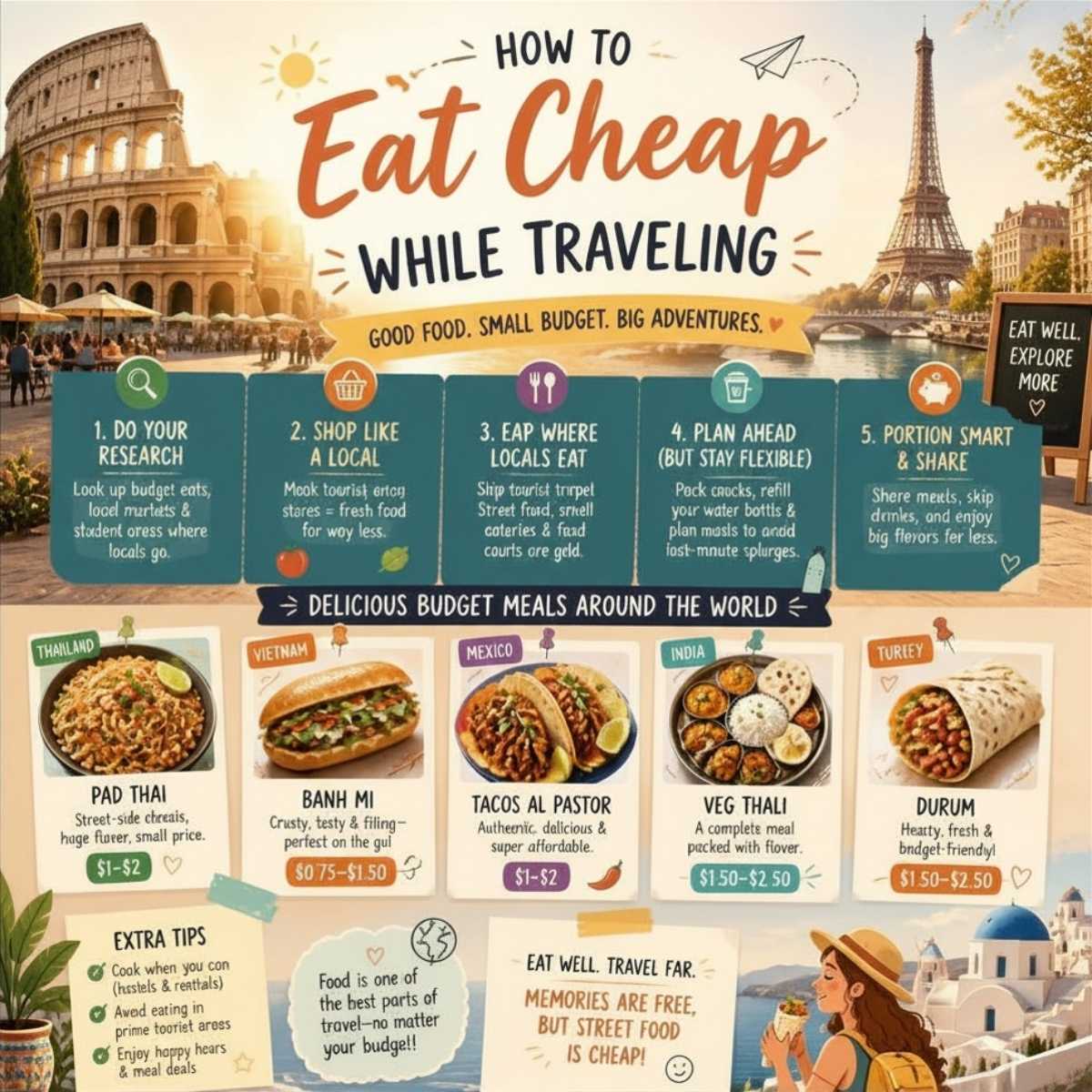
9. Street Food Can Be Delicious and Affordable
In many countries, street food offers:
- Authentic local flavors
- Huge portions
- Extremely low prices
Some of the best meals travelers ever eat come from:
- Night markets
- Food stalls
- Local vendors
Popular budget-friendly food destinations include:
- Thailand
- Vietnam
- Mexico
- Japan
- Taiwan
Street food can often cost just a few dollars while providing incredible cultural experiences.
Look for:
- Busy vendors
- Freshly cooked food
- High local traffic
- Clean preparation areas
10. Skip Airport Meals When Possible
Airport food is notoriously overpriced.
A simple sandwich combo that costs $8 outside the airport might cost $18 inside.
Save money by:
- Eating before arriving
- Packing food
- Bringing empty water bottles through security
- Using airport lounge access if available
Many travelers save hundreds yearly simply by avoiding airport dining.
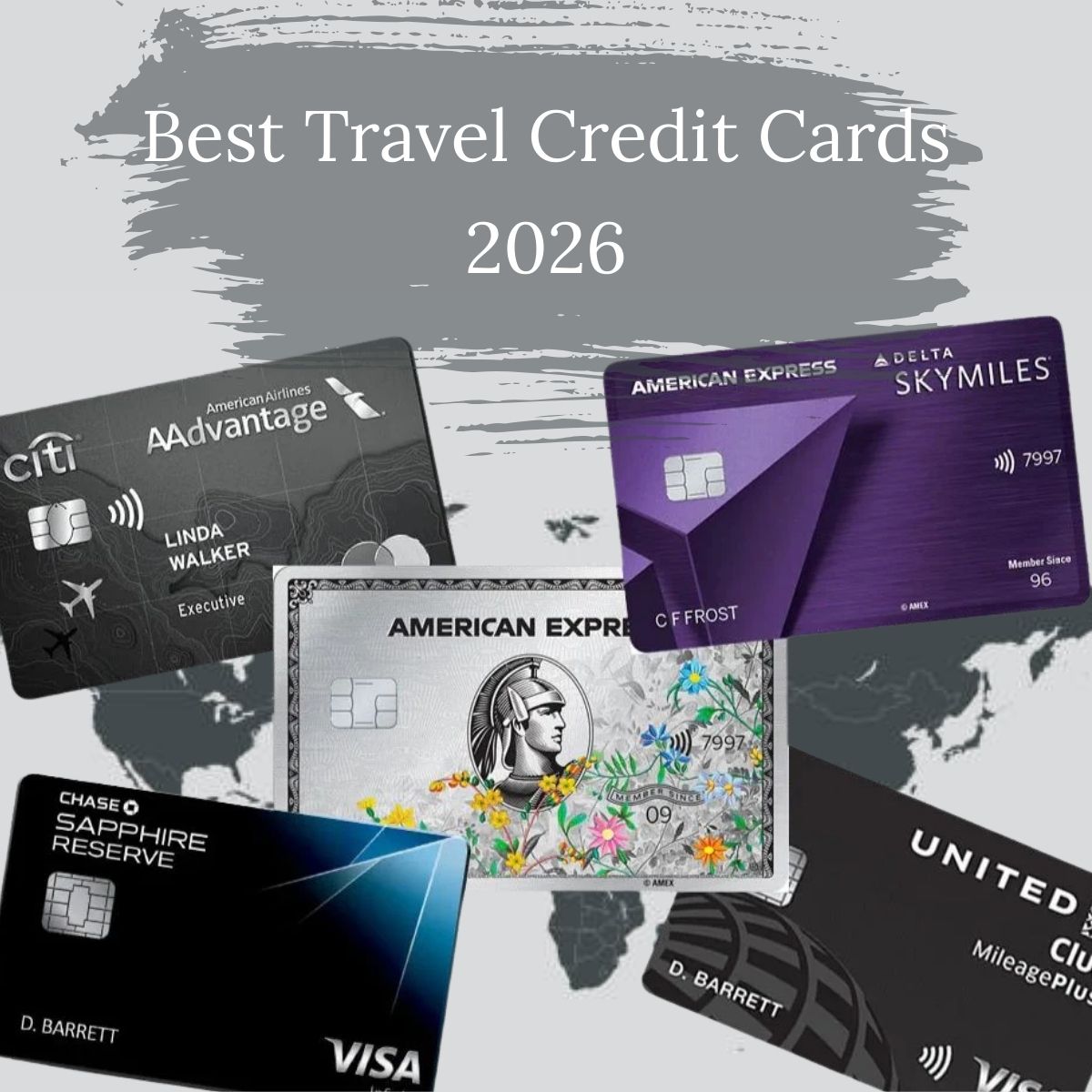
11. Use Travel Credit Cards With Dining Rewards
Travel rewards credit cards can help offset food costs through:
- Dining points
- Statement credits
- Airport lounge access
- Hotel breakfast benefits
Some cards earn extra rewards on restaurants worldwide.
If you already spend money on food while traveling, earning points back can reduce future travel expenses.
Just make sure you pay balances in full and avoid interest charges.
12. Eat Like a Local
One of the best ways to eat cheaply while traveling is avoiding overly touristy dining habits.
Locals often:
- Eat at smaller restaurants
- Order daily specials
- Avoid tourist districts
- Dine during local meal times
Research:
- Local food blogs
- Reddit recommendations
- TikTok food creators
- Google Maps reviews
You’ll usually find better prices and better food.
13. Visit Local Markets
Farmers markets and local food markets are excellent for:
- Cheap meals
- Fresh produce
- Local specialties
- Affordable snacks
Markets also allow you to sample foods without committing to expensive restaurant meals.
Some famous food markets become attractions themselves, offering an incredible cultural experience on a budget.
14. Limit Alcohol Purchases
Alcohol can quietly destroy a travel budget.
Cocktails at resorts or tourist areas often cost:
- $15–$25 each
Instead:
- Buy drinks from grocery stores
- Share bottles
- Take advantage of happy hour
- Drink less frequently
In many destinations, alcohol costs more than food itself.
15. Don’t Be Afraid of Convenience Store Meals
In some countries, convenience stores have surprisingly good food.
For example, convenience stores in Japan are famous for:
- Fresh rice balls
- Sandwiches
- Noodles
- Bento boxes
- Desserts
Cheap convenience store meals can be:
- Fast
- Affordable
- Delicious
- Better than fast food
This is especially useful during busy sightseeing days.
16. Share Large Portions
Restaurant portions in many places are enormous.
Splitting:
- Appetizers
- Entrees
- Desserts
…can significantly reduce costs.
This works especially well in:
- Theme parks
- American restaurants
- Resort destinations
You’ll save money and avoid wasting food.
17. Take Advantage of Happy Hours
Happy hour deals often include:
- Discounted drinks
- Cheap appetizers
- Combo specials
In some cities, happy hour can essentially replace dinner.
This is a great strategy for:
- Couples
- Solo travelers
- City trips
Especially in expensive destinations.
18. Use Google Maps Before Choosing Restaurants
Before sitting down anywhere:
- Check ratings
- Read reviews
- Look at photos
- Compare prices
Google Maps can help you avoid:
- Tourist traps
- Overpriced restaurants
- Poor-quality food
Search terms like:
- “cheap eats”
- “budget food”
- “local favorite”
- “best value”
…can reveal hidden gems.
19. Bring Simple Travel Cooking Supplies
If you stay in hotels often, small travel-friendly supplies help.
Useful items include:
- Reusable utensils
- Collapsible bowls
- Small cutting knife (checked baggage only)
- Mini spice containers
- Portable coffee maker
These make simple meals easier and reduce dining costs.
20. Eat a Bigger Breakfast
If breakfast is included with your hotel, maximize it.
A filling breakfast can reduce:
- Snack purchases
- Expensive lunches
- Midday cravings
Good breakfast choices include:
- Protein
- Fruit
- Oatmeal
- Eggs
- Yogurt
Many travelers intentionally eat a larger breakfast and smaller dinner to save money.
21. Travel During Shoulder Season
While not directly a food tip, shoulder season travel often means:
- Restaurant discounts
- Hotel promotions
- Lower tourism demand
- Better dining deals
Peak-season tourist pricing affects food heavily.
Traveling slightly off-season can improve your entire budget.
22. Learn Basic Food Phrases
If traveling internationally, learning simple phrases helps you:
- Order local food
- Avoid tourist menus
- Understand pricing
- Shop at markets
Helpful phrases:
- “Cheap”
- “Local food”
- “Daily special”
- “Takeout”
- “Water”
- “No tip included?”
Small efforts often lead to better local experiences and lower costs.
23. Use Cashback and Dining Apps
Some apps offer cashback or discounts on restaurants.
Popular savings options include:
- Rakuten
- Groupon
- Too Good To Go
These apps can help reduce costs on:
- Restaurants
- Coffee shops
- Bakeries
- Takeout meals
24. Set a Daily Food Budget
Having a rough daily food budget prevents overspending.
For example:
- Breakfast: free or grocery store
- Lunch: $10–15
- Dinner: $15–25
- Snacks: $5
Tracking spending keeps food costs from spiraling out of control.
Budget travelers often use:
- Notes apps
- Budget spreadsheets
- Travel expense apps
Even simple awareness helps.
25. Prioritize Experiences, Not Fancy Restaurants Every Day
Not every meal needs to be a luxury dining experience.
Pick:
- One or two special meals
- A few must-try local dishes
- Memorable dining experiences
…and keep the rest simple.
This balance allows you to:
- Enjoy amazing food
- Stay within budget
- Travel longer
- Reduce financial stress
Often, the most memorable travel meals are cheap local finds anyway.
Sample Cheap Travel Food Budget
Here’s an example of a realistic low-cost daily food budget for one traveler:
| Meal | Estimated Cost |
| Hotel Breakfast | Free |
| Grocery Store Snacks | $5 |
| Local Lunch Special | $10 |
| Street Food Dinner | $12 |
| Drinks/Extras | $5 |
Total: Approximately $32/day
Compared to typical tourist spending, that could save:
- $40–70 daily
- Hundreds per trip
- Thousands annually
Final Thoughts: Eating Cheap While Traveling Doesn’t Mean Missing Out
Budget travel food strategies aren’t about deprivation — they’re about being intentional.
Some of the best ways to save money while traveling are also the most authentic:
- Shopping at local markets
- Trying street food
- Eating where locals eat
- Cooking occasionally
- Avoiding tourist traps
By mixing budget-friendly meals with a few memorable splurges, you can:
- Travel more often
- Stay longer
- Stress less about money
- Still enjoy incredible food experiences
Traveling on a budget doesn’t mean sacrificing fun. In many cases, eating cheaply while traveling leads to more authentic and memorable adventures.